
A meniscal injury can cause knee pain, swelling, locking, and instability that interferes with work, sports, and everyday activities. At All American Orthopedic & Sports Medicine Institute, our fellowship-trained orthopedic surgeons provide comprehensive care for meniscal tears using advanced diagnostic techniques, personalized non-surgical treatments, and minimally invasive arthroscopic surgery when needed. Serving Houston, Clear Lake, Lake Jackson, and Kingwood, we are dedicated to restoring knee function and helping you return to an active lifestyle.
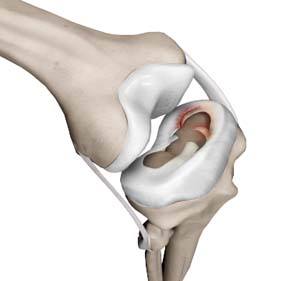
What is Anatomy of the Knee Joint?
The knee is one of the most complex and largest joints in the body and is very susceptible to injury. The meniscus is a small, C-shaped piece of cartilage in the knee. Each knee consists of two menisci, medial meniscus on the inner aspect of the knee and the lateral meniscus on the outer aspect of the knee. The medial and lateral menisci act as a cushion between the thighbone (femur) and shinbone (tibia).
What are Meniscal Injuries?
Meniscal tears are one of the most common injuries to the knee joint. It can occur at any age but are more common in athletes involved in contact sports. The meniscus has no direct blood supply and for that reason, when there is an injury to the meniscus, healing is difficult.
What are the Causes of Meniscal Injuries?
Meniscal tears often occur during sports. These tears are usually caused by twisting motion or over-flexing of the knee joint. Sports such as football, tennis, and basketball involve a high risk of developing Meniscal tears. They often occur along with injuries to the anterior cruciate ligament, a ligament that crosses from the femur (thighbone) to the tibia (shinbone).
What are the Symptoms of Meniscal Injuries?
Meniscal tears can be characterized into longitudinal, bucket handle, flap, parrot -beak and mixed or complex tears.
The symptoms of a meniscal tear include:
- Knee pain when walking
- A popping or clicking that may be felt at the time of injury
- Tenderness when pressing on the meniscus
- Swelling of the knee
- Limited motion of the knee joint
- Joint locking, if the torn cartilage gets caught between the femur and tibia, preventing straightening of the knee.
How are Meniscal Injuries Diagnosed?
A thorough medical history and a physical examination can help diagnose meniscal injuries.
The McMurray test is an important test for diagnosing Meniscal tears. During this test, your doctor will bend the knee, then straighten and rotate it in and out. This creates pressure on the torn meniscus. Pain or a click during this test may suggest a meniscal tear.
In addition, your doctor may order imaging tests such as X-ray and MRI to help confirm the diagnosis.
How are Meniscal Injuries Treated?
The treatment depends on the pattern and location of the tear. If the meniscal tear is not severe, your child's doctor may begin with non-surgical treatments that may include:
- Rest: Avoid activities that may cause injury. You may need to temporarily use crutches to limit weight-bearing.
- Ice: Ice application to reduce swelling
- Pain medications: Non-steroidal anti-inflammatory drugs (NSAIDs) to help reduce swelling and pain
- Physical therapy: Physical therapy for muscle and joint strengthening
If the symptoms persist and conservative treatment fails, you may need surgery to repair the torn meniscus.
Why Choose All American Orthopedic Surgeons for Meniscal Injury Treatment in Houston, Lake Jackson & Kingwood?
A meniscal tear is one of the most common knee injuries and can affect people of all ages, from competitive athletes to active adults and older individuals experiencing age-related degeneration. At All American Orthopedic & Sports Medicine Institute, our fellowship-trained orthopedic surgeons specialize in diagnosing and treating meniscal injuries with individualized treatment plans focused on preserving knee function and relieving pain.
Patients choose our orthopedic team because we offer:
- Fellowship-trained orthopedic surgeons with expertise in sports medicine and knee injuries
- Comprehensive evaluations using advanced diagnostic techniques and imaging when appropriate
- Personalized treatment plans based on the type, location, and severity of the meniscal tear
- Conservative treatment options, including activity modification, physical therapy, and injection therapy when appropriate
- Advanced minimally invasive arthroscopic surgery for tears that require surgical repair or treatment
- Comprehensive rehabilitation programs designed to restore strength, flexibility, and knee stability
- Convenient office locations in Houston (Clear Lake), Lake Jackson, and Kingwood
Our goal is to relieve pain, restore knee function, and help you safely return to work, athletics, and the activities you enjoy while preserving as much healthy meniscal tissue as possible whenever appropriate.
Meniscal Injury FAQs
What is a meniscal injury?
A meniscal injury is a tear in one of the two C-shaped pieces of cartilage that cushion and stabilize the knee joint. Meniscal tears commonly occur during twisting injuries, sports activities, or as a result of age-related degeneration.
What are the symptoms of a meniscal tear?
Common symptoms include knee pain, swelling, stiffness, catching or locking of the knee, difficulty fully straightening or bending the knee, and a sensation that the knee may give way during activity.
How is a meniscal injury diagnosed?
Diagnosis begins with a physical examination and a review of your symptoms and medical history. X-rays may be used to rule out other conditions, while an MRI is often recommended to confirm the location and extent of the meniscal tear.
Can a meniscal tear heal without surgery?
Some small or stable meniscal tears may improve with conservative treatment, including rest, activity modification, anti-inflammatory medications, physical therapy, and other non-surgical therapies. The most appropriate treatment depends on the type of tear, its location, and your activity level.
When is surgery recommended?
Surgery may be recommended if the tear causes persistent pain, locking, instability, or mechanical symptoms, or if conservative treatment has not relieved your symptoms. Whenever possible, your surgeon will determine whether the meniscus can be repaired rather than removed.
What is arthroscopic meniscus surgery?
Arthroscopic surgery is a minimally invasive procedure performed through small incisions using a tiny camera and specialized instruments. Depending on the injury, the surgeon may repair the torn meniscus or remove only the damaged portion while preserving healthy cartilage whenever possible.
How long is recovery after treatment?
Recovery depends on the severity of the injury and whether surgery is required. Patients treated without surgery may recover within several weeks, while recovery following meniscus repair generally requires a longer rehabilitation program to allow the tissue to heal properly.
Get Expert Care for Meniscal Injuries at All American Orthopedic & Sports Medicine Institute
Whether your knee injury occurred during sports, exercise, work, or everyday activities, the experienced orthopedic team at All American Orthopedic & Sports Medicine Institute is here to help. We provide comprehensive evaluation, individualized treatment, and advanced arthroscopic care for meniscal injuries with the goal of relieving pain, restoring knee function, and helping you return to the activities you enjoy.
With convenient locations in Houston (Clear Lake), Lake Jackson, and Kingwood, expert orthopedic care is always nearby. Contact All American Orthopedic & Sports Medicine Institute today to schedule your consultation and learn more about your treatment options for a meniscal injury.