
Hip bursitis can cause persistent pain along the outside of the hip, making walking, climbing stairs, or sleeping uncomfortable. At All American Orthopedic & Sports Medicine Institute, our fellowship-trained orthopedic surgeons provide comprehensive care for hip bursitis using personalized, evidence-based treatment plans. Serving patients throughout Houston, Clear Lake, Lake Jackson, and Kingwood, we focus on relieving pain, reducing inflammation, restoring mobility, and helping you return to your daily activities as quickly and safely as possible.
What is Hip Bursitis?
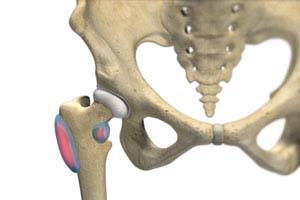
Hip bursitis is a painful condition caused by the inflammation of a bursa in the hip. Bursae are fluid-filled sacs present in the joints between bone and soft tissue to reduce friction and provide cushioning during movement.
The bony prominence of the hip is called greater trochanter and is present on the outer side of the upper thighbone or femur. The bursa overlying it is called trochanteric bursa. Another bursa is located towards the groin region and is called iliopsoas bursa. Bursitis of the trochanteric bursa is more common than that of iliopsoas bursa.
What are the Causes of Hip Bursitis?
Trochanteric bursitis is often associated with sports such as football and soccer, which involve a lot of running. These sports can lead to overuse and irritation of the bursa, causing inflammation. Bursitis may sometimes result from an injury or fall on your hip, or after a surgical procedure of the hip.
Certain spine diseases, rheumatoid arthritis, and leg length inequality increase your risk for developing hip bursitis.
What are the Symptoms of Hip Bursitis?
Trochanteric bursitis results in pain on the outer side of the hip, which usually increases with prolonged walking or climbing stairs. The pain is felt more while getting up from a chair and lying down on the affected side. The inflammation of the iliopsoas bursa, however, results in pain in the groin region.
How is Hip Bursitis Diagnosed?
A physical examination of the hip that indicates tenderness and swelling around the painful bursitis confirms the diagnosis of hip bursitis. To check for any bone spurs that could be causing irritation of the bursa your doctor may order an X-ray. If the reason for the pain is not very clear, your doctor may order an MRI to view the soft tissues and structures not visible on an X-ray.
What are the Treatment Options for Hip Bursitis?
Conservative Treatment Options for Hip Bursitis
The treatment goals for bursitis are focused on resolving inflammation and pain. Rest is advised and activities causing the bursitis pain are restricted. Anti-inflammatory medications are prescribed to reduce inflammation and pain. Physical therapy and treatments with heat, ice, and ultrasound are sometimes recommended. An injection of corticosteroid medicine may be administered to reduce the inflammation. Sometimes, a second injection is necessary if the pain returns after a few months. These non-surgical treatments provide relief from hip bursitis in most cases.
Surgery for Hip Bursitis
Sometimes, however, your doctor may recommend surgical removal of the bursa if you do not respond to conservative treatment measures.
Why Choose All American Orthopedic Surgeons for Hip Bursitis Treatment in Houston, Lake Jackson & Kingwood?
Persistent hip pain shouldn't prevent you from enjoying an active lifestyle. At All American Orthopedic & Sports Medicine Institute, our fellowship-trained orthopedic surgeons specialize in diagnosing and treating hip bursitis using a comprehensive, patient-centered approach. Because several conditions can cause hip pain, we perform a thorough evaluation to identify the source of your symptoms and develop a personalized treatment plan.
Patients choose our orthopedic team because we offer:
- Fellowship-trained orthopedic specialists experienced in treating hip conditions
- Comprehensive evaluations to accurately diagnose the cause of hip pain
- Personalized non-surgical treatment plans tailored to your lifestyle and activity level
- Advanced diagnostic imaging when appropriate
- Physical therapy recommendations to improve strength, flexibility, and mobility
- Injection therapies when conservative treatments are insufficient
- Surgical expertise for the rare cases that require operative treatment
- Convenient locations in Houston (Clear Lake), Lake Jackson, and Kingwood
Our goal is to reduce pain, restore normal movement, and help you return to work, exercise, sports, and everyday activities with lasting relief.
Hip Bursitis FAQs
What is hip bursitis?
Hip bursitis is the inflammation of a fluid-filled sac (bursa) that cushions the bones, muscles, and tendons around the hip. The most common form, trochanteric bursitis, causes pain along the outside of the hip, while iliopsoas bursitis typically causes pain in the groin area.
What causes hip bursitis?
Hip bursitis may develop from repetitive activities, prolonged pressure on the hip, direct injury, poor biomechanics, arthritis, spinal conditions, or tight muscles and tendons around the hip. In some cases, the exact cause cannot be identified.
What are the symptoms of hip bursitis?
The most common symptoms include pain on the outside of the hip, tenderness over the bony prominence of the hip, discomfort when walking or climbing stairs, pain when lying on the affected side, and stiffness after periods of inactivity.
How is hip bursitis treated?
Most patients improve with conservative treatment, including activity modification, anti-inflammatory medications, physical therapy, stretching exercises, ice therapy, and corticosteroid injections when appropriate. Surgery is rarely necessary and is generally reserved for patients whose symptoms persist despite comprehensive non-surgical treatment.
Will I need surgery for hip bursitis?
Most people with hip bursitis do not require surgery. The majority experience significant improvement through non-surgical treatments. Surgical removal of the inflamed bursa may be considered only when symptoms remain severe after conservative therapies have been exhausted.
How long does recovery take?
Recovery varies depending on the severity of the inflammation and the treatment used. Many patients notice improvement within several weeks with appropriate treatment, while more persistent cases may require additional therapy or injections.
Can hip bursitis return?
Yes. Hip bursitis can recur, particularly if the underlying cause—such as repetitive stress, muscle imbalance, or altered walking mechanics—is not addressed. Following your treatment plan and maintaining flexibility and strength can help reduce the risk of recurrence.
Find Lasting Relief from Hip Bursitis at All American Orthopedic & Sports Medicine Institute
If persistent hip pain is interfering with your daily activities, the experienced orthopedic team at All American Orthopedic & Sports Medicine Institute is here to help. We provide comprehensive evaluation and personalized treatment for hip bursitis, using the latest non-surgical and surgical techniques to reduce pain, improve mobility, and restore your quality of life.
With convenient locations in Houston (Clear Lake), Lake Jackson, and Kingwood, expert orthopedic care is always close to home. Contact All American Orthopedic & Sports Medicine Institute today to schedule your consultation and learn more about your treatment options for hip bursitis.