
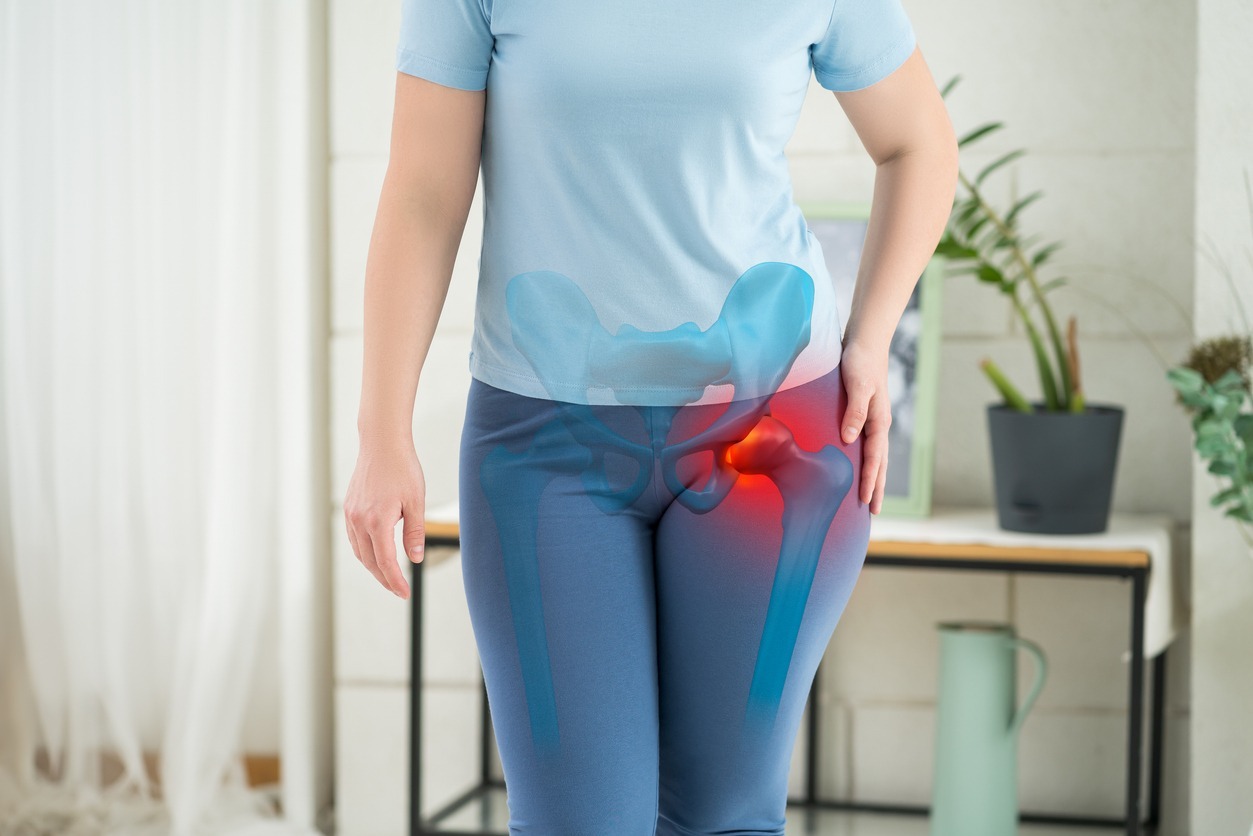
Hip discomfort can feel like a pulled muscle one week and a deeper ache the next, which makes it tempting to wait it out. Most hip problems are not emergencies, yet some patterns deserve timely evaluation so treatable issues are not missed. Knowing the difference helps you act with proportion, not panic. Here is how to sort common irritation from symptoms that may need closer attention near Clear Lake, Kingwood, or Lake Jackson.
How Everyday Hip Pain Often Presents
Many people with hip symptoms have soft-tissue irritation or gradual joint wear. Hip bursitis can cause outer-hip tenderness that worsens with lying on that side or climbing stairs. Early osteoarthritis of the hip may create groin or buttock aching after longer walks. A hip labral tear can produce catching, clicking, or activity-related deep pain.
These hip conditions still deserve accurate diagnosis, but they are often managed stepwise with activity changes, therapy, medications recommended by your clinician, and injections when appropriate.
Patterns That Merit Prompt Attention
Some findings should move evaluation up your priority list. Sudden inability to bear weight after a fall may point to a hip fracture, especially in older adults. Deep groin pain that intensifies with activity in runners or high-volume athletes can raise concern for stress fractures of the hip. Progressive pain with limited motion and risk factors such as prior steroid exposure or certain medical histories may lead a specialist to evaluate for avascular necrosis.
None of these labels should be self-diagnosed from an article. The point is timing: persistent night pain, progressive limp, sudden mechanical failure after trauma, or rapidly worsening function are reasons to seek specialty care rather than hoping rest alone will sort everything out.
Serious Does Not Always Mean Surgical Right Away
Even when imaging shows a meaningful problem, care is individualized. Progressive osteoarthritis may still begin with non-surgical measures if symptoms are moderate. Advanced joint damage that limits walking and sleep may lead to discussion of muscle-sparing robotic-assisted hip replacement when conservative options have been exhausted or are unlikely to restore function.
Stress injuries, fractures, and avascular necrosis require condition-specific plans that can range from protected weight bearing to surgical intervention. The earlier the diagnosis, the more options a clinician may have to protect the joint.
Getting Clarity Without Alarmism
A useful evaluation focuses on mechanism, risk factors, exam findings, and imaging that matches your story. You should leave with a working diagnosis, what is urgent versus watchful, and which treatments are first-line. That is different from assuming the worst every time the hip aches after a long day.
Care is available at the Clear Lake main campus (1045 Gemini St Ste 100, Houston, TX 77058), Kingwood (22999 Hwy 59 Building B West Tower #201), and Lake Jackson (Brazosport Medical Building, 201 Oak Dr S Ste 104). Board-certified and fellowship-trained orthopedic surgeons, sports medicine physicians, physical therapy, injections, and joint replacement planning under one practice can keep your workup coordinated.
Practical Steps Before Your Visit
Write down when pain started, whether a fall or sudden load preceded it, and which motions are worst. Note prior steroid use, alcohol use history if relevant to your clinician, bone density concerns, and sports training volume. Bring prior imaging when available.
You can request an appointment online or use the general appointment page to schedule at the campus that fits your routine.
Ask what findings would change the plan if symptoms persist for another few weeks. That question keeps follow-up purposeful instead of open-ended waiting. If you are an athlete increasing mileage or intensity, share training changes honestly; load spikes matter for stress injury risk.
Older adults should also mention recent falls, dizziness, or bone density treatment history. Those details help clinicians weigh fracture risk and decide whether protected walking, urgent imaging, or surgical discussion belongs in the immediate plan.
Family members who help with transportation or home setup can join the visit when recovery restrictions may be needed. Practical support often shapes how quickly you can safely follow weight-bearing or therapy instructions.
FAQs
- Is most hip pain a sign of a serious condition?
No. Many cases involve bursitis, early arthritis, or soft-tissue strain. Serious conditions are less common but important to catch when warning patterns appear.
- What symptoms should I not ignore?
Inability to bear weight after trauma, a new severe limp, rapidly worsening night pain, progressive motion loss, or activity-related deep groin pain that keeps intensifying deserve timely evaluation.
- Can hip bursitis and arthritis feel similar?
They can overlap in daily life, which is why exam and imaging matter. Outer-hip tenderness points more toward bursitis, while groin-centered aching with joint stiffness is more typical of osteoarthritis.
- When is hip replacement discussed?
Replacement may be considered for advanced joint damage when pain and function remain limited after appropriate non-surgical care, or when disease severity makes conservative gains unlikely.
- Where can I be evaluated near Clear Lake, Kingwood, and Lake Jackson?
Specialty hip care is available at campuses serving Clear Lake in Houston, Kingwood, and Lake Jackson, allowing follow-up closer to home or work.
Ready for a Clear Answer About Your Hip Pain?
If your symptoms are lingering, worsening, or following an injury, a specialty evaluation can distinguish common irritation from conditions that need timely care. Request an appointment online at a Clear Lake, Kingwood, or Lake Jackson campus to move from guesswork to a plan.
All American Orthopedic & Sports Medicine Institute is a board-certified orthopedic surgery and sports medicine practice serving the greater Houston area for over 20 years. With convenient locations in Clear Lake, Kingwood, and Lake Jackson, our team of expert orthopedic surgeons and sports medicine physicians treats a wide range of musculoskeletal conditions—from acute traumatic injuries to chronic degenerative disorders—for patients of all ages, from infants to seniors.