
A bad bruise can look dramatic, while a fracture sometimes feels like something you can walk off for a day or two. That mismatch leads many people to delay evaluation until swelling, deformity, or lost function makes the injury obvious. Timely fracture care can protect healing and reduce complications. Here is how to recognize symptoms that may need specialty treatment near Clear Lake, Kingwood, or Lake Jackson.
Warning Signs That Deserve Prompt Evaluation
Seek care promptly if you notice:
- Pain that worsens with weight bearing or use of the limb
- Swelling, bruising, or deformity after a fall, twist, or impact
- Inability to move a joint through a normal range
- Numbness, coolness, or color change in fingers or toes beyond the injury
- An open wound near a suspected break, which needs urgent care
Open fractures, where bone is exposed or a wound communicates with the fracture site, are emergencies. Do not wait for a routine clinic slot if bone is visible, bleeding is heavy, or the limb looks unstable after trauma.
Fractures Differ by Bone, Age, and Activity
Not every break is managed the same way. A hip fracture in an older adult often needs urgent surgical planning to restore mobility. An ankle fracture may be stable enough for casting or unstable enough to need fixation. A shoulder fracture, knee fracture, or hand fracture each carries unique motion and function demands.
In growing children, a growth plate fracture needs careful assessment because the growth area can affect future bone length and alignment. Athletes may push through pain that is actually a stress injury or incomplete break. Adults of all ages can underestimate toe, wrist, or rib-adjacent trauma until daily tasks become impossible.
Casting and Splinting Versus Surgical Fixation
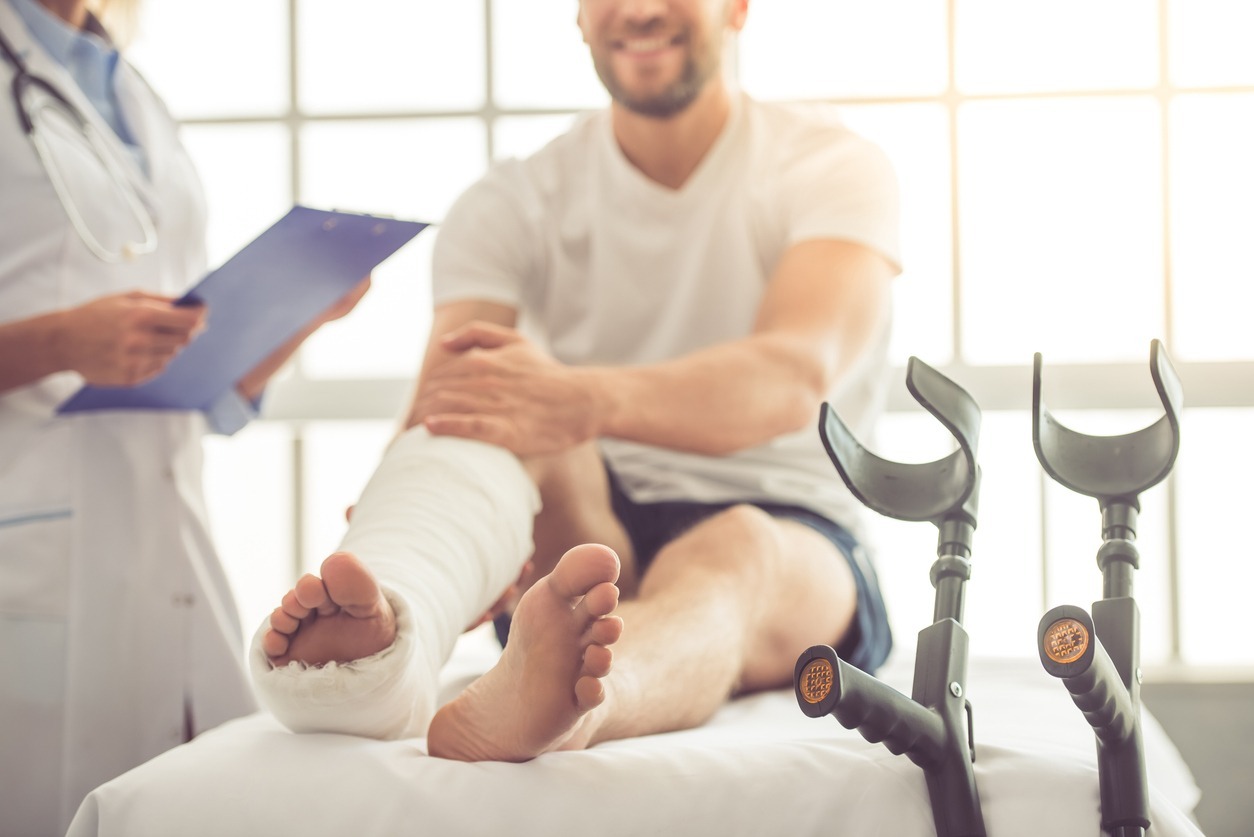
Many fractures heal with immobilization using a cast or splint, protected weight bearing, and follow-up imaging. Others need operative treatment such as open reduction and internal fixation (ORIF) or external fixation when pieces are displaced, joints are involved, or stability cannot be maintained with a cast alone.
The decision depends on fracture pattern, soft-tissue condition, bone quality, and your functional goals. A board-certified or fellowship-trained orthopedic surgeon can explain why one path protects healing better than another for your specific injury.
Why Waiting Can Cost Function
Delayed care can allow fragments to shift, joints to stiffen, or skin problems to develop around swelling. Athletes who keep training through a suspected break risk converting a manageable injury into a longer layoff. Older adults who avoid evaluation after a fall may lose independence if a hip or pelvis injury is missed.
Care is available at the Clear Lake main campus (1045 Gemini St Ste 100, Houston, TX 77058), Kingwood (22999 Hwy 59 Building B West Tower #201), and Lake Jackson (Brazosport Medical Building, 201 Oak Dr S Ste 104). Fracture evaluation, casting or surgical planning, and physical therapy under one practice can keep recovery coordinated from first visit through rehab.
What Recovery Usually Includes
After immobilization or surgery, rehabilitation helps restore motion, strength, and safe walking or upper-extremity use. Physical therapy is often part of the plan once healing allows progressive loading. Follow imaging and weight-bearing instructions carefully; doing too much too soon can disrupt alignment that was hard to achieve.
Bring prior X-rays if you were seen in an urgent care or emergency setting, plus a clear history of the injury mechanism and any numbness or weakness since then.
You can request an appointment online or use the general appointment page for the campus that fits your schedule. For open fractures or limb-threatening symptoms, seek emergency care immediately rather than waiting for an elective visit.
Keep a simple log of pain level with walking or gripping, and whether symptoms are improving each day. Worsening pain after the first 48 to 72 hours is a useful signal to stop self-managing and get imaging reviewed by a specialist.
FAQs
- How do I know a bruise is actually a fracture?
You often cannot tell by appearance alone. Persistent focal pain, inability to bear weight, deformity, or loss of function after trauma are reasons for X-rays and specialty assessment.
- Do all fractures need surgery?
No. Many heal with casting or splinting. Surgery such as ORIF or external fixation is considered when alignment, stability, or joint involvement cannot be protected nonoperatively.
- Are growth plate fractures handled differently in kids?
Yes. Growth plate injuries need careful diagnosis and follow-up because they can affect future growth. Pediatric fracture patterns should not be managed with adult assumptions alone.
- Why is physical therapy part of fracture treatment?
After bone healing begins, therapy helps reverse stiffness, rebuild strength, and restore safe movement patterns so you can return to work, sport, or daily living with better function.
- Which locations offer fracture care near Clear Lake, Kingwood, and Lake Jackson?
Specialty fracture care is available at campuses serving Clear Lake in Houston, Kingwood, and Lake Jackson, supporting evaluation and follow-up closer to home.
Ready to Get Fracture Symptoms Checked?
If pain, swelling, deformity, or lost function after an injury is lingering, a specialty evaluation can confirm whether casting, surgical fixation, or urgent care is needed. Request an appointment online at a Clear Lake, Kingwood, or Lake Jackson campus to protect healing and get a clear recovery plan.
All American Orthopedic & Sports Medicine Institute is a board-certified orthopedic surgery and sports medicine practice serving the greater Houston area for over 20 years. With convenient locations in Clear Lake, Kingwood, and Lake Jackson, our team of expert orthopedic surgeons and sports medicine physicians treats a wide range of musculoskeletal conditions—from acute traumatic injuries to chronic degenerative disorders—for patients of all ages, from infants to seniors.