
A hip fracture is a serious injury that requires prompt orthopedic evaluation and treatment. At All American Orthopedic & Sports Medicine Institute, our fellowship-trained orthopedic surgeons provide advanced hip fracture surgery to restore stability, relieve pain, and help patients return to mobility as safely as possible. Serving Houston, Clear Lake, Lake Jackson, and Kingwood, we offer comprehensive fracture care using proven surgical techniques and personalized rehabilitation plans to support a successful recovery.
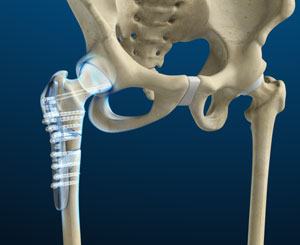
What is Hip Fracture Surgery?
Surgical correction of a hip fracture is known as hip fracture surgery.
hip fractures involve a break that occurs near the hip in the upper part of the femur or thigh bone. The thigh bone has two bony processes on the upper part - the greater and lesser trochanters. The lesser trochanter projects from the base of the femoral neck on the back of the thigh bone. hip fractures can occur either due to a break in the femoral neck, in the area between the greater and lesser trochanter or below the lesser trochanter.
What is Anatomy of the Hip?
The hip joint is a “ball and socket” joint. The “ball” is the head of the femur or thigh bone, and the “socket” is the cup-shaped acetabulum. The hip joint enables the upper leg to bend and rotate at the pelvis. The joint surface is covered by a smooth articular surface that allows pain-free movement in the joint.
What are the Causes of hip fractures?
hip fractures are most frequently caused after minor trauma in elderly patients with weak bones, and by a high-energy trauma or serious injuries in younger people. Long term use of certain medicines, such as bisphosphonates to treat osteoporosis (a disease causing weak bones) and other bone diseases, increases the risk of hip fractures.
What are the Signs and Symptoms of hip fractures?
Signs and symptoms of hip fractures include:
- Pain in the groin or outer upper thigh
- Swelling and tenderness
- Discomfort while rotating the hip
- Shortening of the injured leg
- Outward or inward turning of the foot and knee of the injured leg
How are hip fractures Diagnosed?
Your doctor is able to diagnose a hip fracture based on your symptoms, abnormal posture of your leg and hip, and a thorough physical examination. Your doctor may also order imaging tests, such as X-rays, MRI scan, or bone scan to confirm and view the hip fracture.
What Does Hip Fracture Surgery Involve?
Surgery is employed when a conservative approach such as medications, injections, and physiotherapy fail to provide satisfactory results.
Hip fracture surgery is performed under anesthesia either arthroscopically or through open surgery. Your surgeon will decide which approach is the best for your condition.
In general, an incision is made at the top of your thigh to expose the bones of the hip joint. The fractured or damaged joint is replaced with a prosthesis. The leg is moved to check for a satisfactory range of motion once the prosthesis is placed. The surgical incision is then closed with sutures and dressings to complete the operation.
Different surgical procedures are used for the treatment of hip fractures, and the type of surgery normally depends upon the severity and location of the fracture.
- Total Hip Replacement: This is an operation to replace both the natural socket in the hip and femoral head with prostheses. The upper femur and the socket in your pelvic bone are replaced with a prosthetic implant.
- Partial Hip Replacement: This is an operation to replace the damaged femoral head with a prosthesis. The traumatically fractured or damaged ball-like head of the thigh bone (the femoral head) is replaced with a prosthetic implant.
- Internal Fixation: This is an operation to hold the bone in place while it heals with screws, pins, rods, or plates. Your fracture will be corrected by placing a sliding hip screw into the head of the thighbone (femur), secured to the top of the thigh bone to hold the fracture together.
What Does Postoperative Care for Hip Fracture Surgery Involve?
Instructions for postoperative care include:
- Use of assistive devices such as splints and crutches for walking
- Keep your leg elevated to decrease swelling
- Rest the hip as much as possible
- Medications to control pain and swelling
- Limited weight-bearing activities
- Follow a balanced, varied diet
- Physiotherapy to improve flexibility, range of motion, and strengthen muscles
- Adhere to follow-up appointments
What are the Risks Associated with Hip Fracture Surgery?
As with any surgery, some of the potential risks associated with hip fracture surgery include:
- Improper or non-union of bone
- Infection and wound complications
- Damage to nerves and blood vessels
- Leg-length discrepancy
- Fracture
- Bleeding
- Deep vein thrombosis (blood clot)
- Bedsores due to lack of movement post surgery
- Muscle atrophy
- Deterioration of mental health in old patients
- Avascular necrosis
What are the Benefits of Hip Fracture Surgery?
Some of the benefits associated with successful hip surgery include:
- Reduced pain
- Decreased stiffness
- Improved mobility, strength, and coordination
- Ability to maintain an active lifestyle
Why Choose All American Orthopedic Surgeons for Hip Fracture Surgery in Houston, Lake Jackson & Kingwood?
When a hip fracture occurs, timely treatment by an experienced orthopedic team can make a significant difference in recovery. At All American Orthopedic & Sports Medicine Institute, our fellowship-trained orthopedic surgeons provide comprehensive evaluation, surgical treatment, and postoperative care for patients with hip fractures. We are committed to restoring mobility, reducing pain, and helping patients regain their independence through individualized treatment plans.
Patients choose our orthopedic team because we offer:
- Fellowship-trained orthopedic surgeons experienced in hip fracture care
- Comprehensive evaluation and treatment for a wide range of hip fractures
- Advanced surgical techniques tailored to the type and severity of the fracture
- Personalized treatment plans based on each patient's age, health, and activity level
- Coordinated postoperative care and rehabilitation
- Compassionate, patient-centered care from diagnosis through recovery
- Convenient locations in Houston (Clear Lake), Lake Jackson, and Kingwood
Whether your injury results from a fall, sports injury, or other trauma, our goal is to provide the expert care you need to restore function and safely return to daily activities.
Hip Fracture Surgery FAQs
What is a hip fracture?
A hip fracture is a break in the upper portion of the femur (thigh bone) near the hip joint. Most hip fractures occur in the femoral neck or intertrochanteric region and often require surgical treatment.
When is hip fracture surgery necessary?
Most hip fractures require surgery to stabilize or replace the damaged portion of the hip. Prompt surgical treatment generally allows patients to begin moving sooner and helps reduce the risk of complications associated with prolonged bed rest.
What types of hip fracture surgery are performed?
Treatment depends on the location and severity of the fracture. Surgical options may include internal fixation using screws, plates, or rods, partial hip replacement (hemiarthroplasty), or total hip replacement when appropriate.
How soon should surgery be performed?
Whenever medically appropriate, hip fracture surgery is typically performed within 24 to 48 hours after hospital admission to help improve outcomes and reduce complications.
How long does recovery take?
Recovery varies depending on the type of fracture, the surgical procedure performed, and your overall health. Many patients begin standing or walking with assistance shortly after surgery and continue rehabilitation through physical therapy over the following weeks and months.
Will I need physical therapy?
Yes. Physical therapy is an important part of recovery following hip fracture surgery. Rehabilitation helps improve strength, mobility, balance, and confidence while reducing the risk of future falls.
Does insurance cover hip fracture surgery?
Most insurance plans, including Medicare, cover medically necessary hip fracture surgery. Our staff can help verify your insurance benefits and answer any questions about your coverage.
Get Expert Hip Fracture Care at All American Orthopedic & Sports Medicine Institute
A hip fracture is a medical emergency that should be evaluated without delay. The fellowship-trained orthopedic surgeons at All American Orthopedic & Sports Medicine Institute provide comprehensive hip fracture care using advanced surgical techniques and personalized rehabilitation plans designed to restore stability, relieve pain, and help patients return to an active lifestyle.
With convenient locations in Houston (Clear Lake), Lake Jackson, and Kingwood, expert orthopedic care is always nearby. Contact All American Orthopedic & Sports Medicine Institute today to learn more about hip fracture treatment or schedule a consultation with one of our experienced orthopedic specialists.