
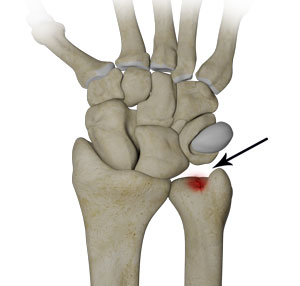
What is Ulnar Wrist Pain?
Ulnar wrist pain is a condition characterized by pain on the outer side of the wrist, on the side of the pinky finger. This pain can vary based on its cause and may increase when you grip or twist your wrist.
Causes of Ulnar Wrist Pain
The most common causes for ulnar wrist pain are injuries and accidents. Other causes include the following:
- Distal radius fracture: A break in the bone
- Arthritis: Joint inflammation
- Ulnar impaction syndrome: A condition where the ulnar bone is longer than the radial bone
- Triangular fibrocartilage complex (TFCC) injury: A break or tear in the cartilage and ligaments that support the wrist bones
- Nerve injury or compression
- Tumors or cysts
Symptoms of Ulnar Wrist Pain
Symptoms of ulnar wrist pain include the following:
- Clicking or popping sounds: Sounds produced when moving the wrist
- Weakness: Diminished grip strength
- Reduced range of movement: Difficulty in freely moving the wrist
Diagnosis of Ulnar Wrist Pain
Your doctor will review your medical history and symptoms and perform a physical examination as necessary. The following diagnostic tests may be ordered:
- X-rays: This imaging study uses radiation to detect any damage to the bone.
- Magnetic Resonance Imaging (MRI) Scan: This is an imaging study that uses a large magnetic field and radio waves to detect any damage to soft tissue structures.
- Computed Tomography (CT) Scan: This scan uses multiple x-rays to produce detailed cross-sectional images of the bone.
- Ultrasound: This test produces images of the soft tissues and joints in the wrist using high-frequency sound waves.
Treatment for Ulnar Wrist Pain
The treatment for ulnar wrist pain varies, depending on the severity and the cause, and includes the following:
- Rest and Activity Modification: Resting the wrist and avoiding activities that aggravate the condition help to reduce inflammation.
- Medications: Your doctor may recommend over-the-counter medications or prescription medications to reduce pain and inflammation.
- Braces and Splints: These devices help to immobilize and support the wrist while it heals.
- Corticosteroid Injections: These shots are effective at reducing inflammation in the affected joint.
- Physical therapy: Your doctor may recommend physical therapy to strengthen muscles and relieve joint stiffness to restore functional ability and movement.
- Surgery: In severe cases or when conservative treatment fails, your doctor will recommend surgery to fix bone fractures or treat damaged ligaments.