
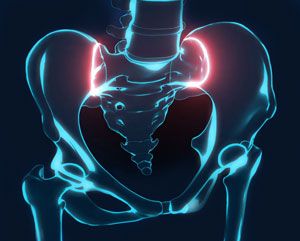
What is Sacroiliitis?
Sacroiliitis is inflammation of one or both sacroiliac (SI) joints, which connect the lower spine (sacrum) to the pelvis (ilium). These joints help support your body weight and absorb impact during walking and movement.
What are the Causes of Sacroiliitis?
Sacroiliitis can be caused by a variety of conditions that lead to inflammation or stress on the sacroiliac joints. One of the most common causes is inflammatory arthritis, such as ankylosing spondylitis, psoriatic arthritis, or reactive arthritis, which are autoimmune conditions affecting the spine and joints. Trauma, including falls, motor vehicle accidents, or repetitive stress from activities like running, can also inflame or damage the SI joints. In pregnancy, hormonal changes and increased joint mobility can strain the SI joints, leading to inflammation. Infections, though rare, can cause sacroiliitis if bacteria reach the joint through the bloodstream. Additionally, degenerative conditions like osteoarthritis or mechanical stress from leg length discrepancies or scoliosis can contribute to sacroiliitis over time.
What are the Symptoms of Sacroiliitis?
The symptoms of sacroiliitis typically include pain in the lower back, buttocks, or hips, which may radiate down to the thighs or groin. The pain is often worse with prolonged standing, walking, or climbing stairs, and may improve with rest. Stiffness, especially in the morning or after periods of inactivity, is also common. In some cases, the pain can be felt on one or both sides of the lower back. The discomfort may be dull and aching or sharp during certain movements.
How is Sacroiliitis Diagnosed?
Sacroiliitis is diagnosed through a combination of clinical evaluation, imaging tests, and sometimes lab tests. A doctor will assess symptoms and perform physical exams that stress the sacroiliac joints to reproduce pain. Imaging such as X-rays, MRI, or CT scans helps detect inflammation, joint damage, or structural abnormalities. MRI is especially useful for identifying early inflammation. In some cases, blood tests are done to look for markers of inflammation or autoimmune conditions, and injection of a local anesthetic into the SI joint may be used to confirm the pain source.
How is Sacroiliitis Treated?
Sacroiliitis is treated with a combination of medications, physical therapy, and sometimes injections or advanced procedures. Common medications include NSAIDs to reduce inflammation and pain, and in cases linked to autoimmune conditions, disease-modifying antirheumatic drugs (DMARDs) or biologics may be used. Physical therapy helps improve flexibility, strength, and joint stability. For more severe or persistent pain, corticosteroid injections directly into the sacroiliac joint can offer relief. In chronic cases, radiofrequency ablationorsurgical fusion (rarely) may be considered. Lifestyle changes like proper posture and activity modification are also important in managing symptoms.