
Carpal Tunnel Release Surgery in Houston, Lake Jackson & Kingwood, TX
Persistent hand numbness, tingling, and weakness from carpal tunnel syndrome can interfere with work, sleep, and everyday activities. At All American Orthopedic & Sports Medicine Institute, our fellowship-trained orthopedic surgeons provide advanced carpal tunnel release surgery using personalized treatment plans and minimally invasive techniques whenever appropriate. Serving Houston, Clear Lake, Lake Jackson, and Kingwood, we are committed to relieving nerve compression, restoring hand function, and helping you return to your daily routine with confidence.
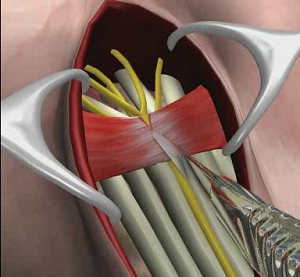
What is Carpal Tunnel Release Surgery?
Carpal tunnel release surgery is a procedure used to treat carpal tunnel syndrome, a condition where the median nerve in the wrist gets compressed, causing pain and numbness.
Indications for Carpal Tunnel Release Surgery
Carpal tunnel release surgery may be recommended if conservative treatment fails to resolve the condition and your quality of life is adversely affected.
Diagnosis for Carpal Tunnel Release Surgery
Your doctor will review your medical history and symptoms and perform a physical examination as necessary. The following diagnostic tests may be ordered:
- X-rays: This imaging study uses radiation to detect any damage to the bone.
- Magnetic Resonance Imaging (MRI) Scan: This is an imaging study that uses a large magnetic field and radio waves to detect any damage to soft tissue structures.
- Ultrasound: This test produces images of the soft tissues and joints in the hand using high-frequency sound waves.
- Electromyography: This method involves the use of small electrodes inserted into the muscles to record electrical activity.
- Nerve conduction studies: These tests determine how well the nerves conduct electrical impulses and can assess nerve damage.
Carpal Tunnel Release Surgery
Carpal tunnel release surgery is a surgical procedure performed to treat carpal tunnel syndrome. During the surgery, the transverse carpal ligament is dissected to release the pressure on the median nerve.
There are two types of carpal tunnel release surgery:
- Open Surgery: An incision is made in the palm of your hand and your surgeon will release the ligament through open surgery.
- Endoscopic surgery: Tiny incisions are made in your wrist or hand and an endoscope is used to release the tight portion of the carpal ligament.
Postoperative Care for Carpal Tunnel Release Surgery
Your surgeon will suggest some postoperative procedures for a better recovery. These include:
- Rest and elevation: Raising your hand and resting it can help to reduce swelling.
- Splinting: Using a splint to immobilize the joint and protect it while it heals.
- Incision care: Keeping the incision site clean and dry while it heals.
- Hand exercises: Your doctor may suggest hand exercises soon after surgery followed by physical therapy to improve the strength of your hand.
Risks and Complications of Carpal Tunnel Release Surgery
You may not experience any complications following carpal tunnel release surgery. However, sometimes you may suffer from pain, infections, scarring, and nerve damage causing weakness or stiffness in the affected joint.
Why Choose All American Orthopedic Surgeons for Carpal Tunnel Release Surgery in Houston, Lake Jackson & Kingwood?
Carpal tunnel syndrome can make simple tasks like typing, gripping objects, driving, or even sleeping through the night increasingly difficult. When conservative treatments no longer provide relief, carpal tunnel release surgery may be the most effective option to relieve pressure on the median nerve and restore hand function. At All American Orthopedic & Sports Medicine Institute, our fellowship-trained orthopedic surgeons provide comprehensive evaluation and personalized treatment plans for patients experiencing persistent carpal tunnel symptoms.
Patients choose our orthopedic team because we offer:
- Fellowship-trained orthopedic surgeons with expertise in hand and upper extremity conditions
- Comprehensive evaluations to accurately diagnose carpal tunnel syndrome
- Advanced diagnostic testing and imaging when appropriate
- Personalized treatment plans based on the severity of your symptoms and lifestyle
- Minimally invasive and open carpal tunnel release techniques when surgery is recommended
- Comprehensive postoperative rehabilitation and recovery guidance
- Convenient office locations in Houston (Clear Lake), Lake Jackson, and Kingwood
Our goal is to relieve pain, numbness, and tingling while restoring strength, dexterity, and hand function so you can confidently return to work, hobbies, and everyday activities.
Carpal Tunnel Release Surgery FAQs
What is carpal tunnel release surgery?
Carpal tunnel release is a surgical procedure that relieves pressure on the median nerve by dividing the transverse carpal ligament in the wrist. This creates more space within the carpal tunnel, helping reduce numbness, tingling, pain, and weakness in the hand.
When is carpal tunnel release surgery recommended?
Surgery may be recommended if your symptoms persist despite conservative treatments such as wrist splinting, medications, activity modification, physical therapy, or corticosteroid injections. It may also be advised if nerve testing shows significant compression or if you experience muscle weakness or loss of hand function.
Is carpal tunnel release performed as an outpatient procedure?
Yes. Carpal tunnel release is typically performed on an outpatient basis, allowing most patients to return home the same day after surgery.
What is the difference between open and minimally invasive carpal tunnel release?
Both procedures are designed to relieve pressure on the median nerve. Open surgery uses a small incision in the palm, while minimally invasive techniques use smaller incisions and specialized instruments. Your orthopedic surgeon will recommend the most appropriate approach based on your condition and anatomy.
How long does recovery take?
Recovery varies from person to person. Many patients notice improvement in numbness and nighttime symptoms within days or weeks, while full recovery of grip strength and hand function may take several weeks to a few months depending on the severity of nerve compression before surgery.
Will I need physical or occupational therapy after surgery?
Some patients benefit from hand therapy following surgery, particularly if stiffness, weakness, or prolonged symptoms are present. Your orthopedic surgeon will recommend rehabilitation based on your individual recovery.
Can carpal tunnel syndrome come back after surgery?
Recurrence is uncommon, and most patients experience long-term symptom relief following successful carpal tunnel release. Maintaining proper hand ergonomics and addressing underlying risk factors may help reduce the likelihood of future nerve compression.
Find Lasting Relief from Carpal Tunnel Syndrome at All American Orthopedic & Sports Medicine Institute
If numbness, tingling, or hand weakness is interfering with your daily life, the experienced orthopedic team at All American Orthopedic & Sports Medicine Institute is here to help. We provide comprehensive evaluation and advanced carpal tunnel release surgery to relieve nerve compression, restore hand function, and improve your quality of life.
With convenient locations in Houston (Clear Lake), Lake Jackson, and Kingwood, expert orthopedic care is always close to home. Contact All American Orthopedic & Sports Medicine Institute today to schedule your consultation and learn whether carpal tunnel release surgery is the right treatment for your condition.