
Living with arthritis can make everyday activities painful and limit your mobility. At All American Orthopedic & Sports Medicine Institute, our fellowship-trained orthopedic surgeons provide comprehensive arthritis treatment using personalized non-surgical and surgical solutions tailored to your condition. Serving Houston, Clear Lake, Lake Jackson, and Kingwood, we are committed to relieving joint pain, improving function, and helping you maintain an active lifestyle with compassionate, evidence-based orthopedic care.
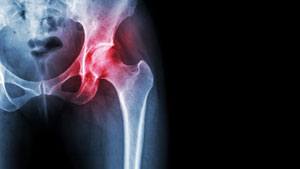
What is Arthritis?
The term arthritis literally means inflammation of a joint but is generally used to describe any condition in which there is damage to the cartilage. Inflammation is the body's natural response to injury. The warning signs that inflammation presents are redness, swelling, heat, and pain.
The cartilage is a padding that absorbs stress. The proportion of cartilage damage and synovial inflammation varies with the type and stage of arthritis. Usually, the pain early on is due to inflammation. In the later stages, when the cartilage is worn away, most of the pain comes from the mechanical friction of raw bones rubbing on each other.
There are over 100 different types of rheumatic diseases. The most common are:
- Osteoarthritis: Osteoarthritis is also called degenerative joint disease; this is the most common type of arthritis, which occurs often in older people. This disease affects cartilage, the tissue that cushions and protects the ends of bones in a joint. With osteoarthritis, the cartilage starts to wear away over time. In extreme cases, the cartilage can completely wear away, leaving nothing to protect the bones in a joint, causing bone-on-bone contact. Bones may also bulge, or stick out at the end of a joint, called a bone spur.
Osteoarthritis causes joint pain and can limit a person's normal range of motion (the ability to freely move and bend a joint). When severe, the joint may lose all movement, causing a person to become disabled. Disability most often happens when the disease affects the spine, Knees, and Hips. - Rheumatoid Arthritis: This is an auto-immune disease in which the body's immune system (the body's way of fighting infection) attacks healthy joints, tissues, and organs. Occurring most often in women of childbearing age (15-44), this disease inflames the lining (or synovium) of joints. It can cause pain, stiffness, swelling, and loss of function in joints. When severe, rheumatoid arthritis can deform, or change, a joint. For example, the joints in a person's finger can become deformed, causing the finger to bend or curve.
Rheumatoid Arthritis affects mostly joints of the hands and feet and tends to be symmetrical. This means the disease affects the same joints on both sides of the body (both the hands or both feet) at the same time and with the same symptoms. No other form of arthritis is symmetrical. About two to three times as many women as men have this disease. - Post-traumatic Arthritis: Arthritis developing following an injury to the hand, wrist, or elbow is called post-traumatic arthritis. The condition may develop years after the trauma such as a fracture, severe sprain, or ligament tears.
- Psoriatic Arthritis: This form of Arthritis occurs in some persons with psoriasis, a scaling skin disorder, affecting the joints at the ends of the fingers and toes. It can also cause changes in the fingernails and toenails. Back pain may occur if the spine is involved.
What are the Causes of Arthritis?
Osteoarthritis is caused by the wearing out of the cartilage covering the bone ends in a joint. This may be due to excessive strain over prolonged periods of time, or due to other joint diseases, injury, or deformity. Primary osteoarthritis is commonly associated with aging and general degeneration of joints.
Secondary osteoarthritis is generally the consequence of another disease or condition, such as repeated trauma or surgery to the affected joint, or abnormal joint structures from birth.
Rheumatoid arthritis is often caused when the genes responsible for the disease are triggered by infection or any environmental factors. With this trigger, the body produces antibodies, the defense mechanism of the body, against the joint and may cause rheumatoid arthritis.
Fractures at joint surfaces and joint dislocations may predispose an individual to develop post-traumatic arthritis. It is considered that your body secretes certain hormones following injury which may cause the death of the cartilage cells.
Uric acid crystal build-up is the cause of gout and long-term crystal build-up in the joints may cause deformity.
What are the Symptoms of Arthritis?
There are more than 150 different forms of arthritis. Symptoms vary according to the form of Arthritis. Each form affects the body differently. Arthritic symptoms generally include swelling and pain or tenderness in one or more joints for more than two weeks, redness or heat in a joint, limitation of motion of joint, early morning stiffness, and skin changes including rashes.
Diagnosis of Arthritis
Doctors diagnose arthritis with a medical history, physical exam, and X-rays of the affected part. Computed tomography (CT) scans and magnetic resonance imaging (MRI) scans are also performed to diagnose arthritis.
What are the Treatments for Arthritis?
There is no cure for arthritis. Your doctor may prescribe anti-inflammatory medicine. They may recommend occupational therapy or physiotherapy, which includes exercises and heat treatment. In severe cases, surgery may be suggested. The type of surgery will depend on your age and the severity of the disease. In the elderly with severe arthritis, joint replacement can give good results.
Initial treatment for arthritis is conservative, consisting of rest, avoidance of vigorous weight-bearing activities, and the use of non-narcotic analgesic and/or anti-inflammatory medications. With worsening symptoms, a cane or braces may be helpful. For more severe symptoms, an injection of cortisone into the joint is frequently advised and can be quite helpful. When conservative measures have been exhausted, offer no relief, and have become disabling, the surgery may be recommended. Surgery is usually considered if nonsurgical treatment fails to give relief. There are different surgical procedures that can be used and may include:
- Synovectomy: This surgery is usually indicated for early cases of inflammatory arthritis where there is significant swelling (synovitis) that is causing pain or is limiting the range of motion. Synovectomy is the surgical removal of the inflamed synovium (tissue lining the joint). The procedure may be performed using arthroscopy.
- Arthroplasty: In this procedure, your surgeon removes the affected joint and replaces it with an artificial implant. It is usually performed when the joint is severely damaged by osteoarthritis, rheumatoid arthritis, post-traumatic arthritis or avascular necrosis. The goal of the surgery is to relieve pain and restore the normal functioning of the joint. Total joint replacement can be performed through an open or minimally invasive approach.
- Arthrodesis: A fusion, also called an arthrodesis involves the removal of the joints and fusing the bones of the joint together using metal wires or screws. This surgery is usually indicated when the joints are severely damaged, when there is limited mobility, damage to the surrounding ligaments and tendons, failed previous arthroplasty, and when heavy manual use is expected.
Your surgeon will discuss the options and help you decide which type of surgery is the most appropriate for you.
Why Choose All American Orthopedic Surgeons for Arthritis Treatment in Houston, Lake Jackson & Kingwood?
Arthritis is one of the most common causes of chronic joint pain, stiffness, and reduced mobility. Whether you have osteoarthritis, rheumatoid arthritis, post-traumatic arthritis, or another joint condition, receiving the right diagnosis and treatment is essential for maintaining your quality of life. At All American Orthopedic & Sports Medicine Institute, our fellowship-trained orthopedic surgeons provide comprehensive evaluations and personalized treatment plans to help patients manage arthritis symptoms and remain active.
Patients choose our orthopedic team because we offer:
- Fellowship-trained orthopedic surgeons with expertise in diagnosing and treating arthritis
- Comprehensive evaluations with advanced diagnostic imaging when appropriate
- Personalized treatment plans based on the type and severity of arthritis
- Conservative treatment options, including medications, physical therapy, joint injections, bracing, and lifestyle recommendations
- Advanced minimally invasive procedures and joint replacement surgery when appropriate
- Comprehensive rehabilitation programs to improve strength, flexibility, and mobility
- Convenient office locations in Houston (Clear Lake), Lake Jackson, and Kingwood
Our goal is to reduce pain, preserve joint function, improve mobility, and help you enjoy everyday activities with greater comfort and confidence.
Arthritis FAQs
What is arthritis?
Arthritis is a group of conditions that cause inflammation, pain, stiffness, and reduced movement in one or more joints. There are more than 100 different types of arthritis, with osteoarthritis and rheumatoid arthritis being among the most common.
What are the common symptoms of arthritis?
Symptoms often include joint pain, stiffness, swelling, tenderness, decreased range of motion, and difficulty performing everyday activities. Some people also experience symptoms that are worse after periods of inactivity or first thing in the morning.
What causes arthritis?
The cause depends on the type of arthritis. Osteoarthritis develops as joint cartilage wears down over time, while rheumatoid arthritis is an autoimmune condition in which the immune system attacks the joints. Previous injuries, genetics, aging, and certain medical conditions may also contribute to arthritis.
How is arthritis diagnosed?
Your orthopedic surgeon will perform a thorough physical examination, review your symptoms and medical history, and may recommend diagnostic tests such as X-rays, MRI, ultrasound, or laboratory studies to determine the type and severity of arthritis.
Can arthritis be treated without surgery?
Yes. Many patients successfully manage arthritis with non-surgical treatments such as physical therapy, activity modification, weight management, medications, joint injections, bracing, and exercise programs. Surgery is generally considered when conservative treatments no longer provide adequate relief.
When is joint replacement surgery recommended?
Joint replacement may be recommended when arthritis causes severe pain, significant joint damage, and reduced function that interferes with daily life despite comprehensive non-surgical treatment. Your orthopedic surgeon will discuss whether surgery is appropriate for your condition.
Can I stay active if I have arthritis?
Yes. Regular low-impact exercise, strengthening programs, and maintaining a healthy weight can help reduce joint pain, improve flexibility, and support long-term joint health. Your orthopedic surgeon can recommend activities that are safe for your condition.
Find Lasting Relief from Arthritis at All American Orthopedic & Sports Medicine Institute
You don't have to let arthritis keep you from enjoying life. The experienced orthopedic team at All American Orthopedic & Sports Medicine Institute provides comprehensive arthritis care, offering personalized treatment plans that range from conservative therapies to advanced joint replacement surgery when needed.
With convenient locations in Houston (Clear Lake), Lake Jackson, and Kingwood, expert orthopedic care is always close to home. Contact All American Orthopedic & Sports Medicine Institute today to schedule your consultation and learn more about your arthritis treatment options.