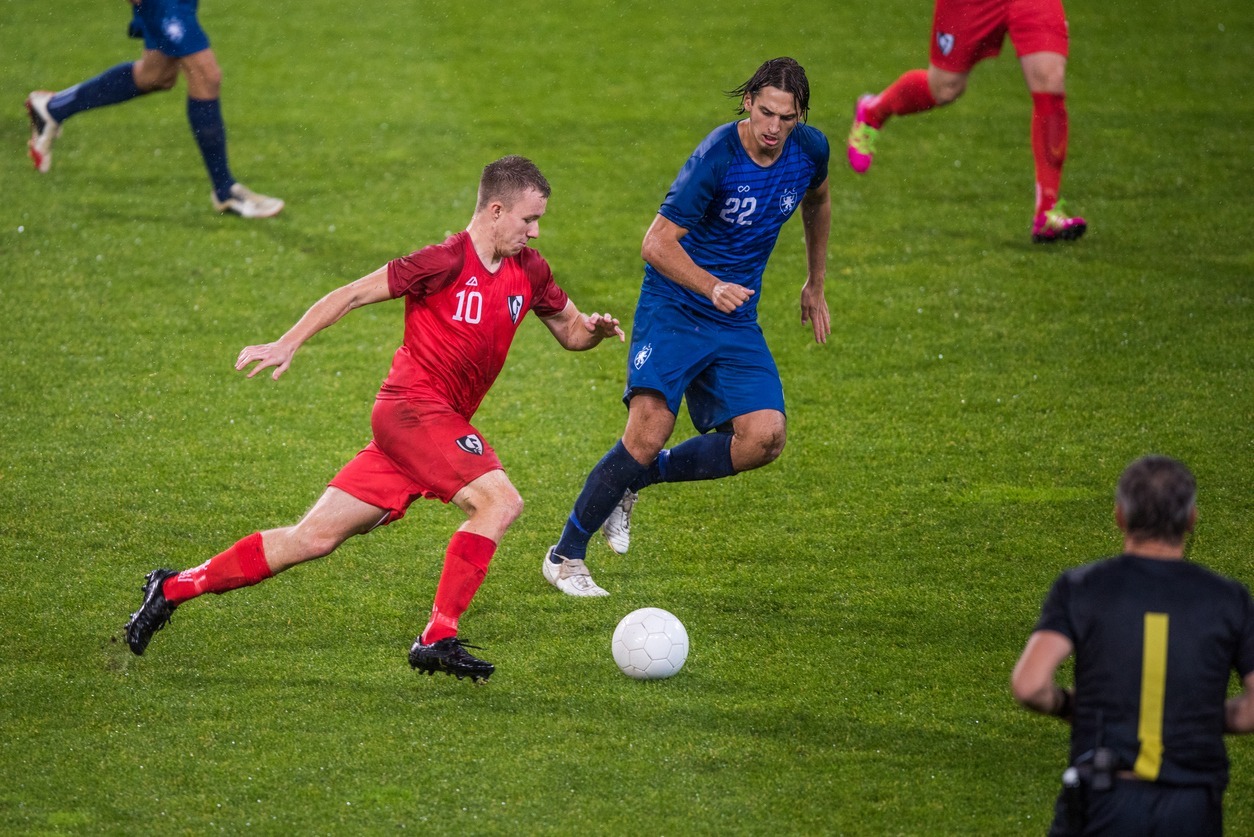
Sports injuries happen to weekend athletes and competitive players alike. A twisted ankle during a pickup basketball game, a sore shoulder after a tennis match, or knee pain following a run can leave you wondering: is this something that will heal on its own, or is it time to see a specialist?
For active individuals in Clear Lake, Kingwood, and Lake Jackson, knowing when to see a sports medicine doctor can make the difference between a quick recovery and a lingering problem that affects you for months.
Common Signs Your Sports Injury Needs Professional Evaluation
Not every ache after a workout requires a doctor's visit. But certain warning signs suggest your injury is more than routine soreness, including:
- Swelling that does not improve within 48 to 72 hours
- Sharp or persistent pain that worsens with movement
- A visible deformity or instability in a joint
- Reduced range of motion in the shoulder, knee, elbow, or ankle
- A popping or tearing sensation at the time of injury
- Numbness, tingling, or weakness in the affected limb
- Pain that does not respond to rest, ice, or over-the-counter medication
If you notice any of these symptoms, it is worth scheduling an evaluation rather than waiting to see if the injury resolves on its own.
Common Sports Injuries That Require Specialist Care
Some injuries are more likely to need the attention of an orthopedic sports medicine specialist rather than home treatment alone. These include:
-
Knee Injuries: ACL tears, meniscus injuries, and patellar tendon problems are common among athletes who play sports involving pivoting or sudden stops, such as soccer, basketball, and football. A specialist can evaluate whether your knee injury requires imaging, bracing, physical therapy, or surgical repair such as ACL reconstruction.
-
Shoulder Injuries: Rotator cuff tears, labral injuries, and shoulder instability are frequent in swimmers, throwers, and weightlifters. Left untreated, these shoulder injuries can lead to chronic pain and reduced function.
-
Elbow Injuries: Overuse conditions such as tennis elbow and golfer's elbow, as well as ligament injuries common in throwing athletes, fall under the care of an elbow specialist. Advanced treatment for conditions like golfer's elbow can relieve pain and restore your swing.
-
Ankle and Foot Injuries: Sprains, stress fractures, and Achilles tendon injuries are common in runners and field-sport athletes. A foot and ankle specialist can determine whether your injury needs imaging or a structured recovery plan.
-
Hand and Wrist Injuries: Fractures, sprains, and ligament injuries from falls or contact sports may require evaluation by a hand and wrist specialist to ensure proper healing and function.
When Rest, Ice, and Home Care Are Not Enough
The RICE method (rest, ice, compression, elevation) is a reasonable first step for minor strains and sprains. However, if pain or swelling persists beyond a few days, or if you are unable to bear weight or use the joint normally, home care is no longer sufficient.
Continuing to play or train on an unresolved injury can turn a minor issue into a more serious one, sometimes requiring surgery that could have been avoided with earlier treatment.
What Happens During a Sports Medicine Evaluation?
A sports medicine visit typically includes a physical examination, a review of how the injury occurred, and imaging such as X-rays if needed. Your provider will assess joint stability, strength, and range of motion to determine the extent of the injury.
From there, treatment may involve rest and bracing, guided physical therapy, regenerative treatment options, or, in more serious cases, surgical repair. Many injuries can be managed without surgery when caught early.
Why Athletes Choose a Sports Medicine Specialist Over Urgent Care
Urgent care clinics are useful for immediate concerns, but they are not always equipped to manage the ongoing evaluation and rehabilitation that sports injuries often require. A dedicated sports medicine team can provide:
- Accurate diagnosis using orthopedic-specific imaging and testing
- A treatment plan tailored to your sport or activity level
- Access to physical therapy and rehabilitation under one roof
- Guidance on a safe return-to-play timeline
- Surgical expertise if the injury requires it
This continuity of care often leads to a faster, more complete recovery than piecing together treatment from multiple providers.
Sports Medicine Care in Clear Lake, Kingwood, and Lake Jackson
Athletes and active individuals throughout the Houston area, including Clear Lake, Kingwood, and Lake Jackson, have access to board-certified orthopedic surgeons and sports medicine physicians who treat injuries ranging from minor sprains to complex ligament tears.
All American Orthopedic & Sports Medicine Institute has served the greater Houston area for over 20 years, offering general orthopedic and sports medicine care for patients of all ages, from young athletes to weekend warriors. You can learn more about the team on the Meet Our Team page.
FAQs About Sports Injuries and Sports Medicine Care
Q.How do I know if my sports injury is a sprain or something more serious?
A sprain usually improves with rest and ice within a few days. If pain, swelling, or instability persists, or if you heard a pop at the time of injury, it is best to have it evaluated to rule out a ligament or cartilage tear.
Q.Should I see a sports medicine doctor even for a minor injury?
If the injury does not improve within a few days, limits your movement, or affects your ability to play or work, it is worth having it checked. Early evaluation can prevent a minor issue from becoming a chronic problem.
Q.Can sports injuries be treated without surgery?
Many sports injuries respond well to non-surgical treatment such as bracing, activity modification, and physical therapy. Surgery is typically reserved for more severe tears, fractures, or injuries that do not improve with conservative care.
Q.How long does recovery take after a sports injury?
Recovery time varies depending on the injury and treatment required, ranging from a few weeks for mild strains to several months for surgical repairs such as ACL reconstruction.
Q.What should I bring to my first sports medicine appointment?
It helps to bring any prior imaging, a list of your symptoms and when they started, and information about the activity that led to the injury. You can review what to expect on the First Visit Guide.
Don't Wait Out a Sports Injury That Isn't Healing
Ignoring a sports injury or trying to push through the pain can lead to longer recovery times and a greater risk of re-injury. If you are experiencing persistent pain, swelling, or limited movement after a sports injury, it is time to have it evaluated by a specialist.
All American Orthopedic & Sports Medicine Institute serves patients across Clear Lake, Kingwood, and Lake Jackson, TX, with board-certified orthopedic surgeons and sports medicine physicians who treat injuries at every level, from youth athletes to seniors. Book an appointment online or visit one of our practice locations to get started on your recovery.
All American Orthopedic & Sports Medicine Institute is a board-certified orthopedic surgery and sports medicine practice serving the greater Houston area for over 20 years. With convenient locations in Clear Lake, Kingwood, and Lake Jackson, our team of expert orthopedic surgeons and sports medicine physicians treats a wide range of musculoskeletal conditions—from acute traumatic injuries to chronic degenerative disorders—for patients of all ages, from infants to seniors.