When joint pain lingers after rest, bracing, or therapy, you may hear that a camera-guided procedure could help. Arthroscopic surgery uses small incisions and a tiny camera to evaluate and treat certain problems inside a joint. It can be an effective option for selected injuries, but it is not automatic for every ache. Here is how to decide whether arthroscopy may fit your situation near Clear Lake, Kingwood, or Lake Jackson.
What Arthroscopy Is Designed to Do
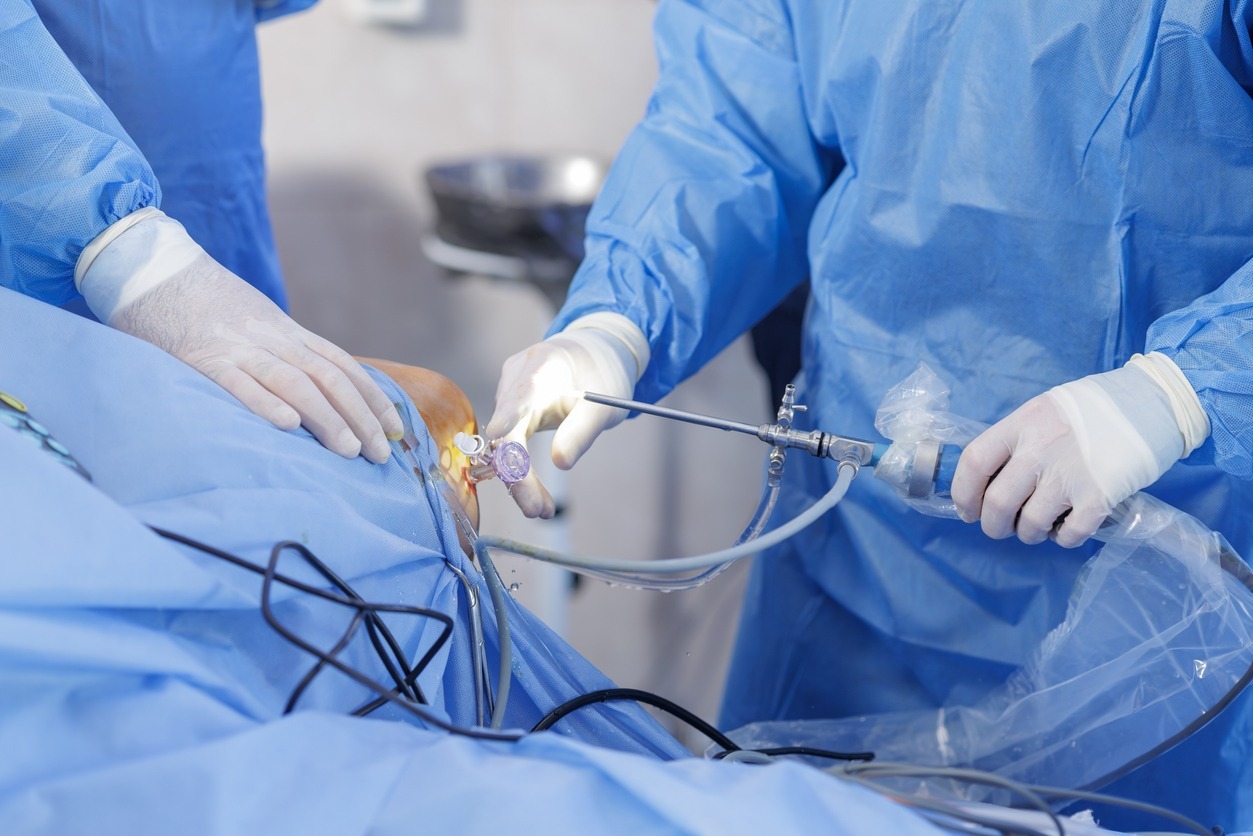
Arthroscopy lets a surgeon look inside a joint, confirm the diagnosis, and treat specific tissue damage through limited portals. In sports medicine care, arthroscopy of knees, shoulders, and ankles is performed for appropriate indications. The appeal is targeted treatment with generally smaller incisions than traditional open surgery, paired with a structured rehabilitation plan afterward.
It still requires anesthesia, recovery time, and a clear mechanical problem worth addressing. Pain alone on imaging without matching exam findings is rarely a reason to schedule a procedure.
Knee Problems Commonly Evaluated for Arthroscopy
Knee arthroscopy may be discussed for selected meniscus injuries, loose bodies, or other intra-articular problems after a full clinical assessment. Athletes and active adults with ACL tears often need a broader reconstruction plan; ACL reconstruction is a reconstructive procedure that may use arthroscopic techniques as part of care, depending on the surgical plan.
Not every meniscus finding needs an operation. Age of the tear, location, mechanical symptoms such as locking, activity goals, and response to therapy all influence whether watching, rehab, or surgery is the better next step.
Shoulder and Other Joint Uses
Shoulder arthroscopy can be part of care for selected labral injuries, including a shoulder labral tear, and other soft-tissue problems when non-surgical care has not restored stability or function. Ankle arthroscopy may be considered for certain sports-related joint issues identified on exam and imaging.
Across joints, the decision framework is similar: confirm the diagnosis, try appropriate conservative care when safe, then proceed to arthroscopy if a repairable or removable problem continues to limit you.
When Arthroscopy Is Not the First Answer
Many people improve with activity modification, bracing, medications recommended by a clinician, injections, and physical therapy. Degenerative joint surfaces from advanced arthritis may need a different conversation than a focal sports injury. In those cases, replacement or other reconstructive options can be more relevant than a scope.
A careful specialist explains why arthroscopy would help your specific anatomy rather than presenting it as a generic fix for joint pain.
Campus Access and Coordinated Follow-Up
Care is available at the Clear Lake main campus (1045 Gemini St Ste 100, Houston, TX 77058), Kingwood (22999 Hwy 59 Building B West Tower #201), and Lake Jackson (Brazosport Medical Building, 201 Oak Dr S Ste 104). Board-certified and fellowship-trained orthopedic surgeons and sports medicine physicians, with physical therapy and pain management resources under one practice, can support evaluation through recovery.
How to Prepare for the Decision Conversation
Ask what structure would be treated, what success looks like for your goals, and what happens if you continue non-surgical care a bit longer. Request a plain-language summary of risks, rehab milestones, and return-to-sport or return-to-work expectations.
You can request an appointment online or use the general appointment page to start at the campus that fits your schedule.
Bring a list of sports, job demands, and recreational activities you want to resume. Those details shape whether a procedure is timed for an off-season, a lighter work window, or after a short trial of focused therapy.
If you already have an MRI, ask the surgeon to walk through the images with you and explain which findings are likely symptom drivers versus incidental changes. That conversation reduces the chance of treating a scan finding that does not match your exam.
Also clarify postoperative restrictions in advance: bracing, weight bearing, driving, and when strengthening can progress. Knowing the recovery calendar helps you coordinate help at home and set realistic expectations with coaches, employers, or family.
Second opinions are reasonable when you feel rushed toward surgery or when two clinicians describe very different plans for the same injury. A clear rationale should always accompany a recommendation for arthroscopy.
FAQs
- Is arthroscopic surgery the best solution for any joint pain?
No. It is best reserved for specific diagnoses where treating tissue inside the joint is likely to improve mechanical symptoms or function after appropriate evaluation.
- Which joints are commonly treated with arthroscopy in sports medicine care?
Knees, shoulders, and ankles are commonly addressed with arthroscopy when indicated, based on the injury and surgical plan.
- Do ACL tears always need arthroscopic reconstruction immediately?
Not always. Timing and technique depend on your sport, instability, associated injuries, and goals. Some patients need prompt reconstruction; others benefit from staged rehab planning first.
- Will I need physical therapy after arthroscopy?
Most patients do. Rehabilitation protects the repair or treated tissue and rebuilds motion, strength, and movement quality for daily life or sport.
- How do I get evaluated near Clear Lake, Kingwood, or Lake Jackson?
Specialty sports medicine and orthopedic evaluation is available at campuses serving those communities, so imaging review and follow-up can stay local when possible.
Ready to Learn Whether Arthroscopy Fits Your Joint Pain?
If mechanical symptoms, sports injuries, or lingering joint problems are limiting your routine, a specialty evaluation can determine whether arthroscopy is appropriate or whether another path makes more sense. Request an appointment online near Clear Lake, Kingwood, or Lake Jackson to discuss options based on your exam and goals.
All American Orthopedic & Sports Medicine Institute is a board-certified orthopedic surgery and sports medicine practice serving the greater Houston area for over 20 years. With convenient locations in Clear Lake, Kingwood, and Lake Jackson, our team of expert orthopedic surgeons and sports medicine physicians treats a wide range of musculoskeletal conditions—from acute traumatic injuries to chronic degenerative disorders—for patients of all ages, from infants to seniors.