
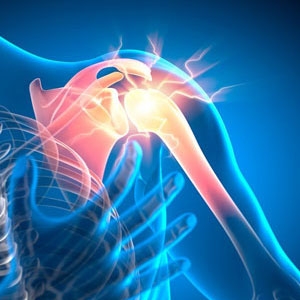

Shoulder pain is easy to dismiss when you can still reach a shelf or finish a workout with a few adjustments. Over time, night pain, weakness, or stiffness can quietly shrink what you do at work and at home. Ignoring those patterns may delay care for problems that respond better earlier. Here is how to recognize warning signs and what stepwise specialty care can look like near Clear Lake, Kingwood, or Lake Jackson.
Common Warning Signs People Overlook
Shoulder pain is not always a dramatic injury. Many people adapt by sleeping on the other side, avoiding overhead lifts, or stopping sports altogether. Those workarounds can hide progression.
Pay attention if you notice:
- Pain that wakes you at night or keeps you from lying on the affected side
- Weakness when lifting, reaching, or rotating the arm
- A feeling that the shoulder may slip or has dislocated more than once
- Progressive stiffness that limits dressing, grooming, or reaching behind your back
- Pain that spreads into the upper arm after repetitive overhead activity
These patterns do not automatically mean you need surgery. They do mean a focused shoulder evaluation can clarify whether the issue is soft tissue irritation, structural damage, or arthritis.
Conditions Linked to Persistent Shoulder Symptoms
Several diagnoses commonly explain lingering pain. A rotator cuff tear may cause weakness and night pain, especially after repetitive strain or a sudden load. Shoulder impingement can create catching or aching with overhead motion. Frozen shoulder often presents as steadily worsening stiffness. Shoulder instability may show up as recurrent subluxation or dislocation. Arthritis of the shoulder can produce grinding, aching, and reduced motion over time.
Accurate diagnosis matters because each condition follows a different care path. Treating stiffness the same way you treat instability rarely works well.
Stepwise Care Before Considering Surgery
Most patients start with non-surgical steps when imaging and exam support that approach. Activity modification, anti-inflammatory strategies recommended by your clinician, and physical therapy often form the foundation. Therapy can restore mobility, strengthen supporting muscles, and improve movement patterns that overload the joint.
Injections or other pain management options may be discussed when inflammation limits progress. If a structural tear, recurrent instability, or advanced joint damage remains functionally limiting, surgical options such as rotator cuff repair may enter the conversation. Surgery is one tool after evaluation, not the default first visit outcome.
Why Timing Matters Near Clear Lake, Kingwood, and Lake Jackson
Waiting can turn a manageable problem into a longer recovery. Progressive stiffness may become harder to reverse. Recurrent dislocations can damage soft tissue further. Night pain that you tolerate for months can erode sleep and daytime function.
Care is available at the Clear Lake main campus (1045 Gemini St Ste 100, Houston, TX 77058), Kingwood (22999 Hwy 59 Building B West Tower #201), and Lake Jackson (Brazosport Medical Building, 201 Oak Dr S Ste 104). Board-certified and fellowship-trained orthopedic surgeons and sports medicine physicians, along with physical therapy and injection options under one practice, can help you move from evaluation to a clear plan without bouncing between disconnected providers.
What to Expect at an Evaluation
Your visit typically includes a history of how symptoms started, a focused exam of strength and motion, and imaging when needed. Bring notes about aggravating activities, prior injuries, and treatments already tried. Share your goals clearly, whether that means returning to overhead sports, sleeping through the night, or completing work tasks without compensating.
You can request an appointment online or use the general appointment page for the campus that fits your schedule.
Document which motions hurt most and whether symptoms are improving, stable, or worsening week to week. That timeline helps your clinician decide whether to continue conservative care, order additional imaging, or discuss procedural options sooner.
A second opinion is also reasonable if you have already been told to wait indefinitely while function keeps declining. Persistent limitation is information, not something you have to normalize.
FAQs
- When is shoulder pain worth a specialist visit?
Seek evaluation if pain lasts more than a few weeks, wakes you at night, causes weakness, follows an injury with instability, or steadily limits motion despite rest and basic care.
- Can physical therapy help before surgery?
Often yes. Therapy is commonly used for impingement, early stiffness, and many overuse problems, and it remains important after surgical repair when that becomes necessary.
- Do recurrent dislocations need prompt attention?
Yes. Repeated instability episodes can increase soft-tissue injury risk. A specialist can assess whether bracing, therapy, or surgical stabilization is the safer path for your situation.
- Is night pain always a rotator cuff tear?
No. Night pain can appear with impingement, bursitis, arthritis, frozen shoulder, and other conditions. Exam and imaging help sort the cause rather than assuming one diagnosis.
- Which campuses serve Clear Lake, Kingwood, and Lake Jackson?
Specialty shoulder care is available at campuses serving Clear Lake in Houston, Kingwood, and Lake Jackson, so you can choose the location that fits your map and follow-up needs.
Ready to Stop Ignoring Shoulder Warning Signs?
If night pain, weakness, stiffness, or instability is changing how you move, a specialty evaluation can identify the cause and outline stepwise treatment. Request an appointment online near Clear Lake, Kingwood, or Lake Jackson to get a clear next step.
All American Orthopedic & Sports Medicine Institute is a board-certified orthopedic surgery and sports medicine practice serving the greater Houston area for over 20 years. With convenient locations in Clear Lake, Kingwood, and Lake Jackson, our team of expert orthopedic surgeons and sports medicine physicians treats a wide range of musculoskeletal conditions—from acute traumatic injuries to chronic degenerative disorders—for patients of all ages, from infants to seniors.